Founder · Author · Operator
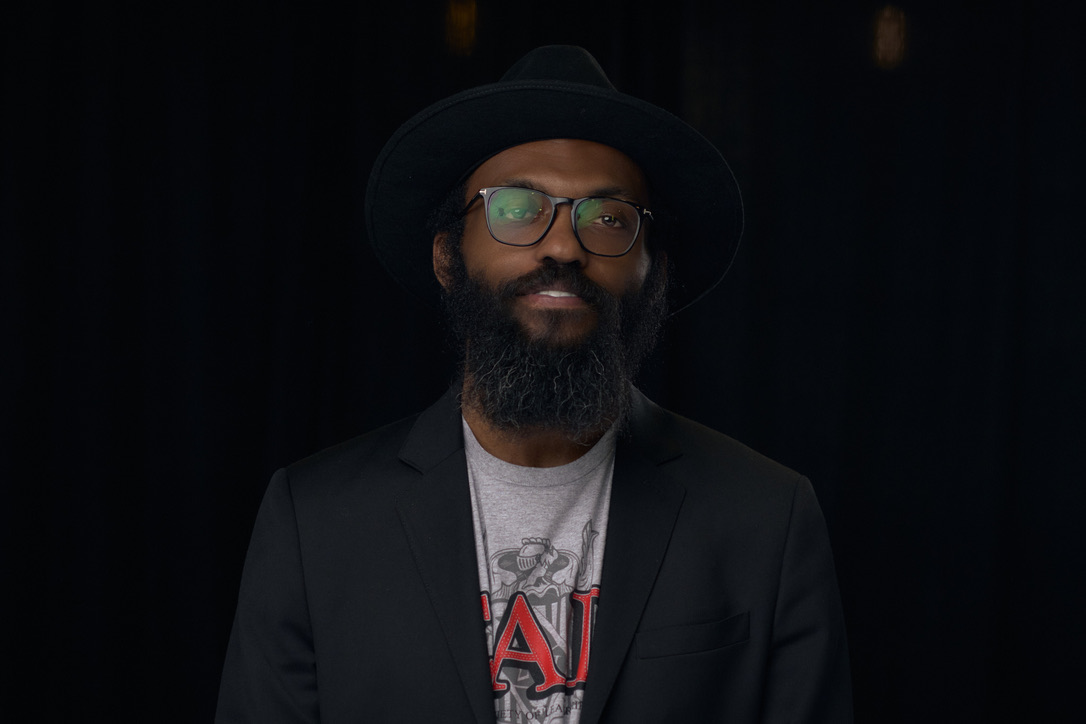
TIMOTHY "FLY" WHEELS
U.S. Air Force veteran. Amazon warehouse associate. Founder of Contruil LLC. I built a company on AI while working overnight shifts — because the system wasn't designed for people like me, so I built my own.
Background
Systems architect working at the intersection of operational infrastructure, network engineering principles, applied AI systems, and reliability engineering.
Experience includes high-throughput logistics environments, technical systems architecture, and operational routing frameworks used to model resilient systems.
Languages
- Python
- C#
- SQL
- Bash
Architecture
- State machines
- Validator pipelines
- Distributed decision routing
- Consensus protocols
Systems
- AI orchestration frameworks
- Operational reliability models
- Cryptographic identity systems
- Failure-mode analysis
Systems Implementations
Selected engineering artifacts demonstrating systems architecture, validation pipelines, and operational reliability models.
Triangle Test Protocol
ProductionMulti-Validator AI Governance Architecture
Consensus-based validation pipeline preventing unreliable outputs from entering production. Three independent validators, four sequential quality gates, escalation and halt logic.
Architecture Model →Financial Budget Analysis System
ProductionSurvival Economics Modeling Tool
Data-driven system analyzing cash flow patterns and predicting financial risk events. NSF prevention modeling, buffer recommendation algorithms, subscription optimization.
View Layer 0 Tracker →Identity & State Machine Architecture
ProductionCryptographically Verifiable Identity Systems
Event-driven identity architecture using deterministic state transitions and signed audit trails. Ed25519 signatures, cross-platform implementation, decentralized identity models.
View Portfolio →CYW Routing Engine
ExperimentalDecision Routing & Operational Orchestration
Experimental prototype classifying operational signals and routing decisions through structured validation pipelines before execution. Context-aware routing, escalation workflows, structured audit logs.
Architecture Model →Architecture Overview
Three-layer control architecture — governance, operations, validation.
System Architecture
CYW / Virgil Two-Axis Architecture — Operational Flow × Governance Control
Figure: CYW/Virgil Two-Axis Architecture. The CYW framework routes operational decisions through a structured pipeline (observation → routing → validation → execution). A vertical governance layer (Virgil OS) functions as the system control plane, enforcing protocol compliance, maintaining decision traceability, and preserving operational memory. Feedback mechanisms continuously refine routing logic and validation models.
Frameworks
Control Your World (CYW)
A methodology for routing decisions, validating outputs, and maintaining operational clarity in complex systems.
- Multi-model AI orchestration
- Validator routing systems
- Decision audit trails
- Sovereignty infrastructure
Reliability Engineering Models
Operational frameworks that translate industrial reliability principles into digital architecture patterns.
- RME systems
- Network engineering principles
- Failure-mode analysis
- Resilience modeling
Tools
Layer 0 Budget Tracker
Survival Economics Modeling Tool — Free
A spreadsheet framework for modeling survival economics and financial resilience. No signup. No paywall.
- Calculate your survival floor
- Allocate financial VLANs
- Design economic forcing functions
Operational Documentation
Systems thinking applied to real-world decisions, operations, and reliability architecture.
Awareness In Action
Decision routing protocols, operational quality gates, infrastructure failure chains, signal-to-noise management.
Decision Protocols
Multi-layer routing stack: triage → domain specialists → escalation → documented resolution.
Case Studies
Applied architecture analysis across logistics, academic systems, and AI infrastructure.
Systems Philosophy
Systems fail when signals are ignored, verification is skipped, or decision authority is unclear.
My work focuses on building architectures that enforce traceability, validation, and operational clarity — whether in logistics infrastructure, software systems, or AI orchestration. The goal remains constant: systems that remain stable under pressure.